Fences, Garden Fences, Decorative Fences, & Screening Devices
Before You Apply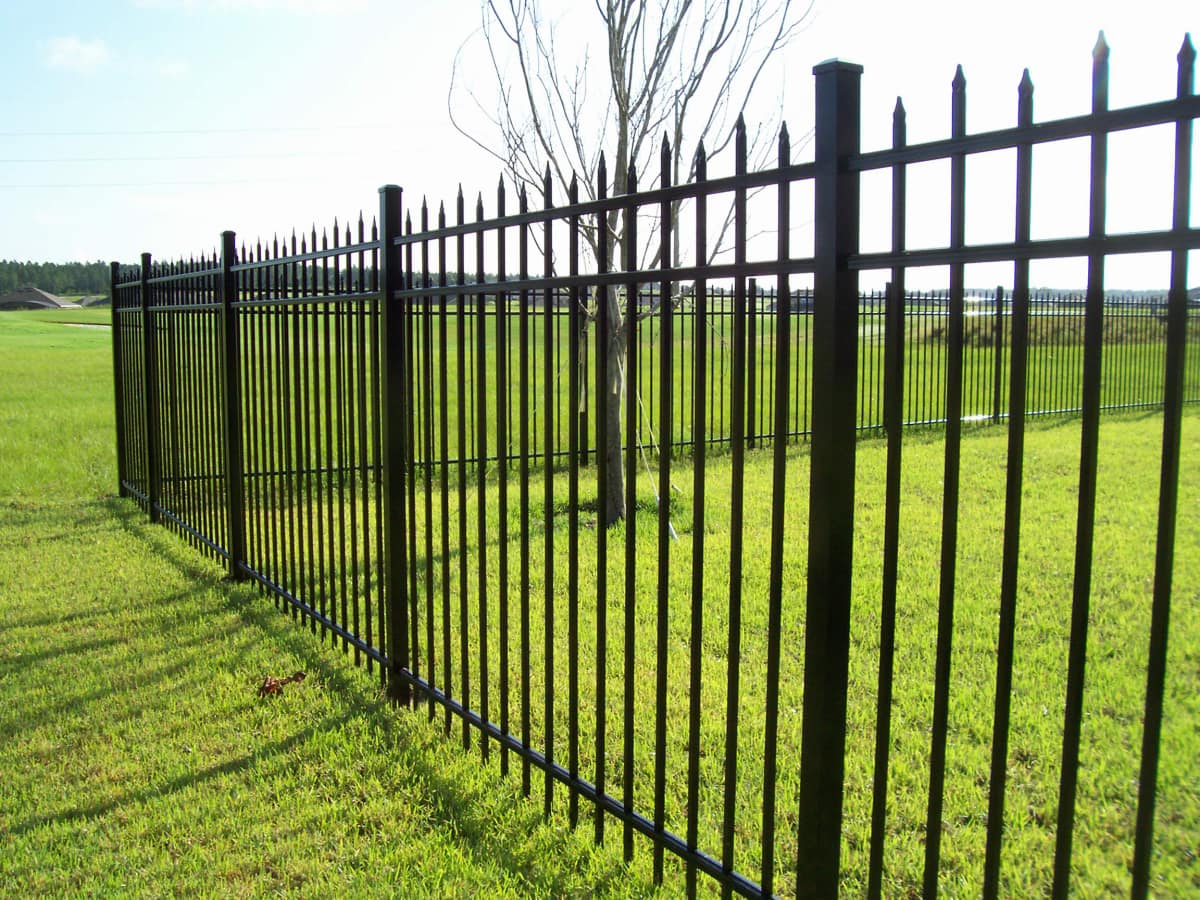
It is encouraged that you contact the Zoning & Planning Department while planning your fence project to confirm compliance with basic zoning requirements and to discuss the review and approval process. Fences that meet all Village ordinance requirements only require a building permit.
Fences that do not meet Village ordinance requirements require approval of a variance from the Building Board following a public hearing. The Board must review any request against the Findings of Fact required to grant a variance.
The Building Board meets twice per month (1st and 3rd Tuesday) at 5:30 p.m. To get placed on agenda, all materials must be submitted digitally to the Zoning and Planning Administrator at least 4 weeks in advance of the meeting. Once deemed complete by the Zoning and Planning Administrator, physical copies must be provided at least one week before the meeting.
The submittal requirements for fences are listed below. A more comprehensive list of Fence requirements may be found at the hyperlink.
Required Forms
- Building Board Worksheet (PDF) - Only required for fence variances
- Building Permit Form (PDF)
- Building Permit Addendum (PDF) - Only required for fence variances
Requirements with Building Permit Application
All of the following items must be submitted and deemed complete by the Zoning & Planning Administrator:
- Fence Style
- A visual representation of the fence must be provided (a picture from the fence brochure is acceptable). Dimensions, materials, and colors must be clearly indicated on the fence plan/cut sheet.
- Fences must have more than 50% of their surface area open for free passage of light and air (i.e. for a given width of fence material, an equal or greater amount of open space must be provided).
- Fences cannot exceed 4 feet in height (from the average existing grade beginning at its lowest level at ground level on the outside of the fence).
- Fences must be constructed of wood, wood-simulated natural appearing materials, wrought iron or other metal materials generally employed to achieve an aesthetically consistent appearance (no barbed-wire, chain link, or other wire-type material).
- Structural support components shall be placed on the interior side of the fence.
- Parcel Survey or Site Plan
- If you do not have a plat of survey, you can illustrate the fence location on a printed site plan using the Waukesha County GIS platform. The plan must include the location and dimensions of fence.
- Fences shall not project forward of the rear line of the home. In the event that there is more than one rear line present, the line closest to the front shall be considered the rear line.
- Landscape Plan
- Only if new landscaping is being proposed.
- Letter Requesting a Variance - Only required if seeking a fence variance
- The letter should demonstrate an argument, utilizing the Findings of Fact document, as to why the Board should grant a fence variance.
*Important* - 14 hard copies of each plan listed above must be provided on ledger-sized paper (11"x18") only following review of plans digitally by the Zoning & Planning Administrator.
Garden Fences
Garden fences cannot exceed 36 inches in height and are intended to be used to impede access by wildlife to a planted area. Garden fences shall not enclose an area of more than 750 square feet and shall be constructed of wood, or other wood-simulated natural-appearing materials; heavy-coated wire-type materials (no barbed wire, chain link), wrought iron, or other metal materials generally employed to achieve an aesthetically consistent appearance. Garden fences may be located in a side, rear, or street yard setback.
No permit is required for garden fences meeting the above requirements.
Decorative Fences
Decorative fences are open fences designed to decorate, accent, or frame a feature of the landscape or premises and that is not longer than 40 feet in linear length in the aggregate.
Decorative fences must have at least 50% of their surface area open for free passage of air and light, shall not exceed 4 feet in height, must be constructed of wood, or other wood-simulated natural-appearing materials, wrought iron or other metal materials generally employed to achieve an aesthetically consistent appearance (no barbed wire, chain link), but may be located in a setback area.
Decorative fences require a building permit and Building Board review (see required submittal materials above).
Screening Devices
Architectural Screening Devices include any standing fence or wall-type structure, connected directly to a principal structure employed for screening, ornamental, decorative, signage, or landmark purposes.
An Architectural Screening Device may be constructed with less than 50% of its surface area open for free passage of light and air, provided that:
- The device is directly connected to an existing principal structure;
- The device complies with setback requirements of the zoning district in which it is located;
- The height shall not exceed 4 feet; and
- The linear length, in aggregate, shall not be greater than 20 feet.